English| EUR
Suggested for you
More currencies
Choose a language
Preparing for a swim at Cape Greco's famous coastal inlet requires knowing what amenities are available on site. Because this is a protected natural reserve rather than a commercial beach club, visitors must plan their packing lists accordingly.
Quick answer
No, the Blue Lagoon in Cape Greco does not provide towels. As a free public site within the National Forest Park (0 EUR entrance fee), it features zero commercial facilities, rental kiosks, or sunbed operators. You must bring your own beach towels, water shoes, and snorkeling equipment for any activities along the rocky Mediterranean coastline.
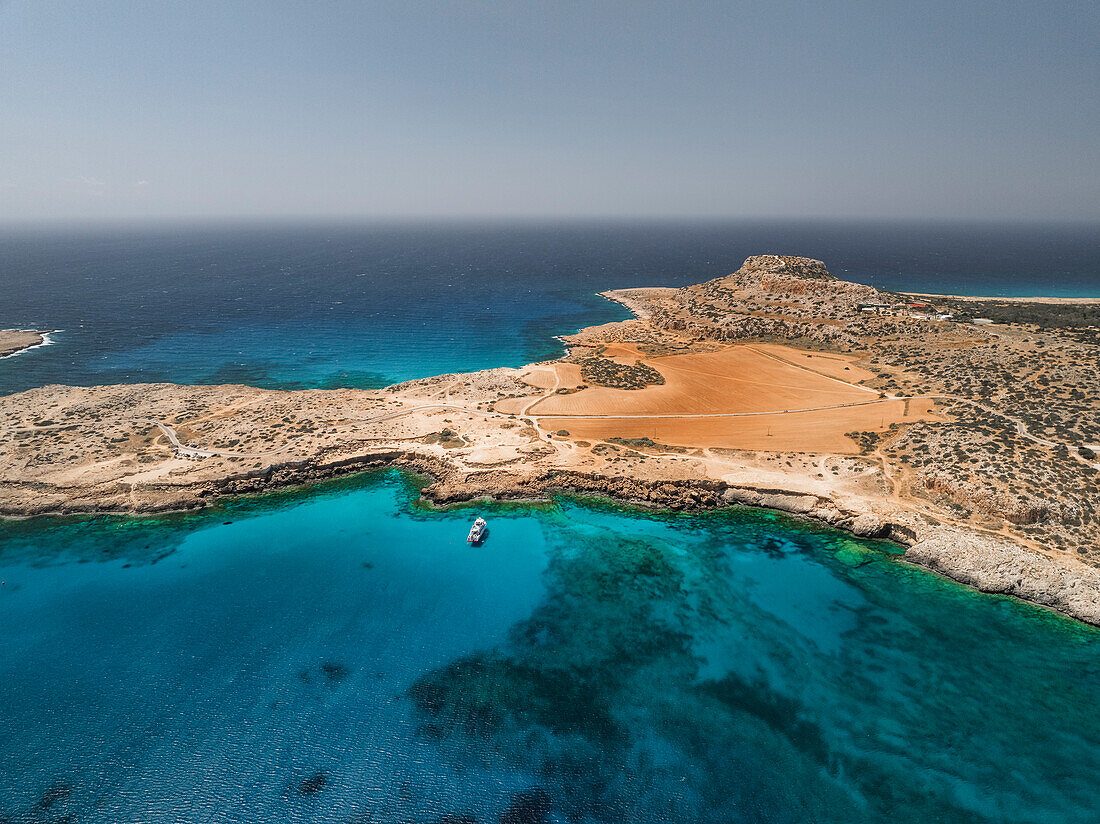
The Blue Lagoon sits on the eastern edge of Cyprus, defined by its stark limestone cliffs and clear Mediterranean Sea waters. Unlike organized resort beaches in nearby Ayia Napa or Protaras where beach towel rentals are common, this inlet remains entirely undeveloped. When asking does the blue lagoon provide towels, visitors must remember its status as a protected area within a National Forest Park. There are no beachfront kiosks, changing cabanas, or commercial stations anywhere near the water. The appeal of the location is its rugged isolation, meaning complete self-sufficiency is the only option for those planning to swim, dive, or snorkel along the rocky coast. Travelers reach the area either by navigating the dirt trails of the Cape Greco peninsula or by dropping anchor on a boat excursion. Those arriving on commercial boat tours often find that their vessel supplies basic swimming gear on deck. However, those assessing the amenities at the Cape Greco inlet will find absolutely no infrastructure waiting at the shoreline. Anyone researching a does the blue lagoon provide towels guide will quickly learn that a well-stocked daypack is essential for a comfortable visit. The terrain surrounding the water lacks soft sand entirely, making a thick, high-quality linen highly practical not just for drying off, but for creating a suitable place to sit on the uneven, sun-baked limestone ledges. Beyond the necessity of bringing your own supplies, a successful visit requires thorough preparation. The sun exposure along this stretch of the coast is intense, particularly during the peak summer months, and there is virtually no natural shade near the main jumping points. Visitors should pack reef-safe sunscreen, polarized sunglasses, and plenty of drinking water alongside their swimwear. Because the entry points into the water involve navigating sharp rocks rather than wading through a gentle sandy slope, wearing protective water shoes is just as crucial as bringing a diving mask. The distinct lack of commercial development is precisely what preserves the high visibility of the water and the health of the local marine life. So while considering does the blue lagoon provide towels before setting out, understanding and embracing the wild, unmanaged nature of this Cypriot landmark guarantees a highly rewarding coastal trip.
“The distinct lack of commercial development is precisely what preserves the high visibility of the water and the health of the local marine life.”
Because the Blue Lagoon at Cape Greco is a public natural site within a national forest park, there are no amenities, meaning visitors must arrive fully equipped.
The Blue Lagoon is part of the Cape Greco National Forest Park and remains accessible to visitors throughout the entire week.
The optimal window for visiting the Blue Lagoon is between 06:00–10:00. Arriving during this period allows you to avoid mid-day crowds and the intense peak heat of the day.
Warm, 24°C–28°C; high sun exposure.
Early mornings provide calm water conditions before boat traffic increases significantly in the afternoon.
Hot, 30°C–35°C; limited shade available.
Prioritizing an early arrival is necessary to manage the extreme temperatures and density of visitors.
Mild, 23°C–27°C; comfortable for swimming.
These months offer a more temperate climate, though early morning remains the preferred time for photography and solitude.
Verdict: The most effective strategy is arriving between 06:00–10:00, specifically during the shoulder months of May or October to balance heat and visitor volume.
The Blue Lagoon is located within the Cape Greco National Forest Park near Ayia Napa. Accessing the water requires navigating rugged, uneven coastal terrain, so appropriate footwear is required.
Follow E328 toward Cape Greco National Forest Park, Ayia Napa
Take line 101 or 102 to the Cape Greco stop
Follow marked trails from the main Cape Greco parking area
Parking is available near the main visitor trailhead; from there, proceed on foot along the designated paths toward the cliff edge to reach the swimming area.
Everything you need to know about does the blue lagoon provide towels
No, this is a public natural site within the National Forest Park, so it does not provide towels or beach amenities. You must bring your own gear to enjoy the Mediterranean waters safely.
Rental services are not available at this protected coastal area, meaning you should bring your own beach essentials. It is best to arrive prepared with personal towels and sun protection for your visit to this Cyprus landmark.
There are no public changing facilities or restrooms located directly at the Blue Lagoon. Visitors typically arrive in their swimwear or use natural secluded spots near the rocky coastline.
While some independent cruise operators may offer amenities, the public site itself does not provide them. Always check with your specific boat tour provider regarding their individual equipment policies before departure.
When visiting this scenic coastal area, bring a high-quality towel, sturdy water shoes for the rocky terrain, and plenty of sunscreen. Does the blue lagoon provide towels? No, so ensure your backpack is stocked with all necessary personal items.
The public location does not provide amenities, though your cruise provider might. If you are asking does the blue lagoon provide towels, please note the lagoon is a natural environment without on-site service staff.
Preparing for a swim here requires self-sufficiency as there are no shops or rental kiosks. Pack light, carry your own water, and remember that no facilities are provided by the park authority.
Access to the lagoon is free and open to everyone, but it lacks tourist infrastructure such as towel services. Since the location remains a wild natural site, visitors must bring everything they need for their trip.